One rider worked out where the price of a pedal-assist bicycle actually lands, then wrote down the running costs, the legal classes and the parts that wear out sooner. Everything here is from riding, servicing and reading the statutes, not from selling anything.
Two bikes sit in the same shape: step-through frame, rear hub motor, seven speeds, a rack, fenders, lights. One is $700 delivered in a box, one is $1,200 and built by a shop. The frames may even come from adjacent factories. The difference is almost never the thing the photographs show, and it is almost never distributed evenly. Most of the gap sits in the battery pack, a smaller share sits in the brakes and the wheels, and the last slice is labor somebody has to pay for eventually, either the seller or you.
The battery is the biggest single line, and the one you cannot inspect
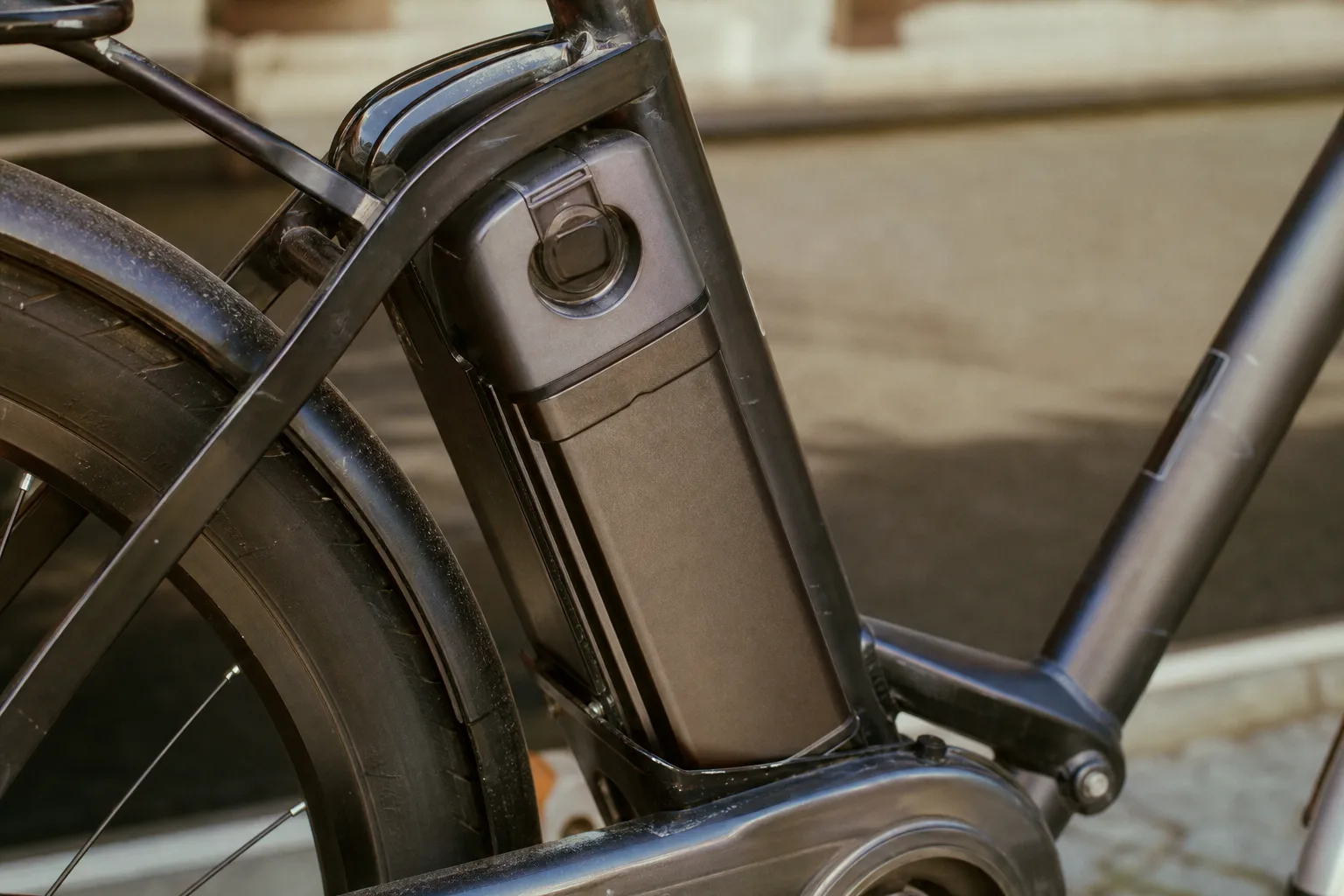
A pack is cells, a case, a battery management system, and the wiring between them. The cells are the money. Packs built on cells from a large, named manufacturer cost the brand more per watt-hour than packs built on unbranded cells of unstated origin, and the difference shows up years out, in how much capacity is left after a few hundred charge cycles and in how evenly the cells age. The management board matters just as much: it balances the cells, cuts off at low voltage, and stops charging when it should. You cannot see any of this from a product page.
What you can see is the paperwork. A pack tested to a recognized safety standard, sold with a warranty stated in years and cycles rather than a vague phrase, and available as a replacement part with a listed price, tells you the seller expects to still be selling that part in three years. The Consumer Product Safety Commission is the federal body responsible for the safety of consumer products including e-bike batteries and chargers, and manufacturers that take certification seriously tend to say so plainly. When a bike costs $500 more, assume $200 to $300 of it is in the pack, and treat that as the best-spent money on the bike.
Brakes, and the difference between annoying and expensive
Mechanical disc brakes on a loaded pedal-assist bike work, but they need adjustment as the pads wear, they pull harder at the lever, and cheap ones flex enough that the bite point wanders. Hydraulic discs self-adjust, need less hand strength, and hold their feel through a wet descent with a rack full of groceries. On a bike that weighs sixty pounds and carries a rider plus cargo at twenty miles an hour, that is not a refinement, it is stopping distance. Upgrading later costs levers, calipers, hoses, fluid and about two hours of shop time, which is why paying for it up front is cheaper.
Rotor size follows the same logic. A 160mm rotor sized for a lightweight road bike will stop a heavy commuter, but it will run hotter and wear pads faster than a 180mm rotor doing the same work. When you compare an electric bike for adults against a cheaper listing with the same motor wattage, the brake spec is usually the cleanest signal of whether the bike was designed around its own weight or simply assembled from whatever was in the parts bin.
Wheels, spokes and the part nobody photographs
A hub motor puts torque into the rear wheel through the spokes, which is a load a bicycle wheel was not originally designed to take. A wheel built with even spoke tension, stress-relieved and trued properly, stays round for years. A wheel laced quickly by machine and never tensioned will start dropping spokes somewhere past the first thousand miles, usually on the drive side, usually one at a time, and each visit costs a spoke plus labor plus the trip. Heavier gauge spokes, brass nipples and double-wall rims are a few dollars of material and a real difference in how long the wheel lasts.
Tires are the cheap variable that changes the ride most. A cheaper bike often ships on tires with no puncture belt and no reflective sidewall, which you will replace within a season anyway, so count roughly $60 to $100 into the real price of the budget bike and stop treating that as an upgrade. Grips, saddle and pedals are the same category: replaceable, personal, and not worth paying a premium for at purchase.
What the seller left undone, and what that bill looks like
A boxed bike arrives about eighty percent built. Somebody still has to set the brakes, index the derailleur, tension and true the wheels, torque the stem and the axle nuts, adjust the headset, and check every fastener that matters. A shop will charge for that assembly and inspection, and the good ones will find the loose motor axle nut before it eats the dropout. A bike sold assembled by a dealer has that labor priced in, along with a first free tune-up in most cases, and a person who has to face you if the brakes drag.
Sort the gaps by what they cost later. Cells, management board, brakes, wheel build and assembly quality all bill you again, with interest, in parts and shop hours and days off the road. Paint, decals, saddle, grips, display style and the shape of the fenders bill you nothing. A $1,200 bike that spends its extra money on the first list is cheaper over five years than a $700 bike you fix twice. A $1,200 bike that spends it on the second list is just a $700 bike with better photographs.
Ask the seller three things before you pay: who made the cells, what a replacement pack costs today, and whether the bike arrives assembled or in a box. The answers, or the reluctance to give them, tell you which bike you are actually buying.