Class 1, 2 or 3? What each label lets you ride, and where it stops
The three-class system, what a throttle changes legally, and why the sticker on your frame matters less than the sign at the trailhead.
Choosing, paying for and running a pedal-assist electric bicycle as everyday adult transport
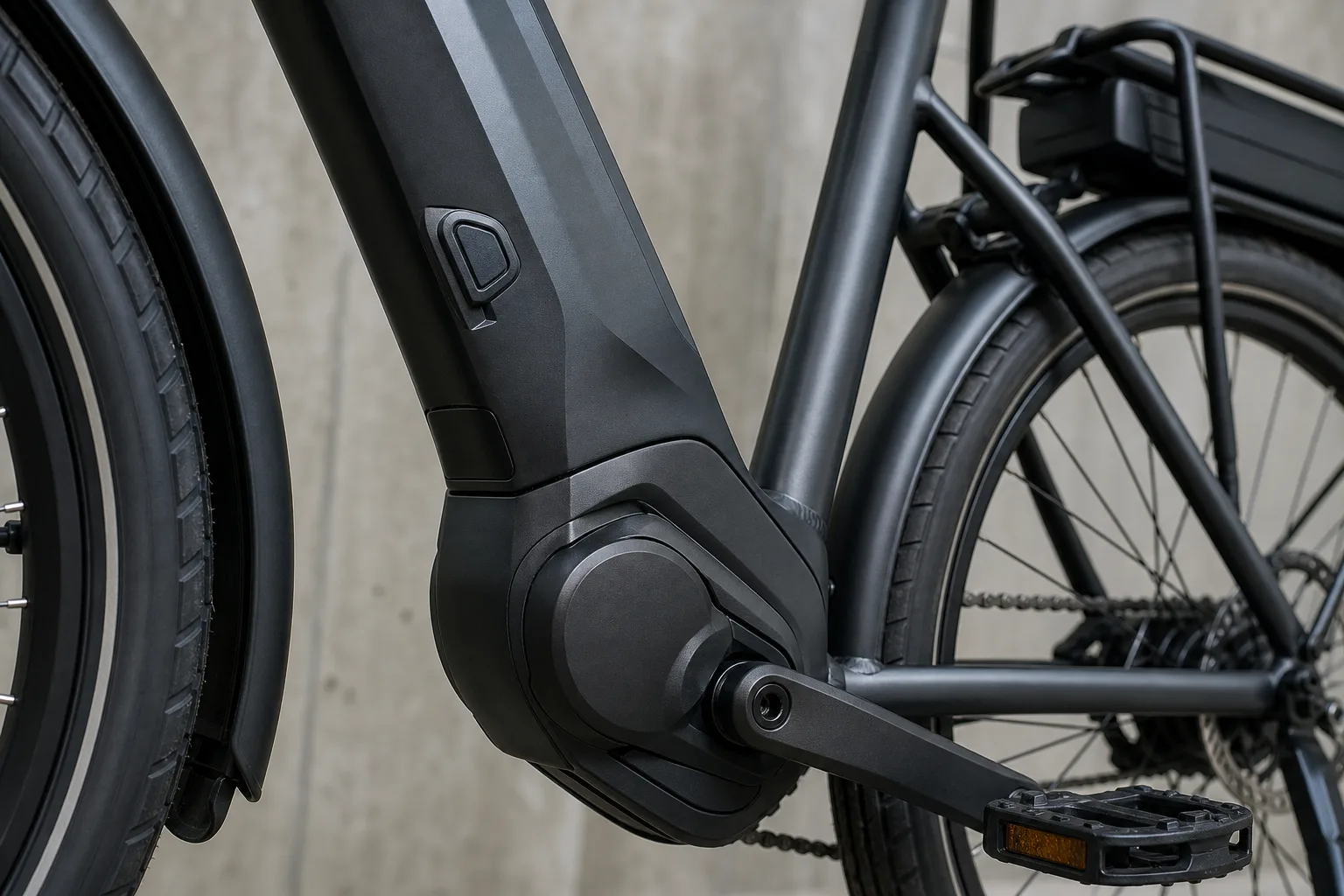
The label is a legal document
Most state e-bike statutes require a permanent manufacturer label stating the class, top assisted speed and continuous motor wattage. Removing or obscuring it can complicate an insurance claim or a citation dispute.
One rider worked out where the price of a pedal-assist bicycle actually lands, then wrote down the running costs, the legal classes and the parts that wear out sooner. Everything here is from riding, servicing and reading the statutes, not from selling anything.
Twenty and twenty-eight
The sticker on the seat tube of a new pedal-assist bike is doing legal work, not marketing work. Most states now require the manufacturer to label the class, the top assisted speed and the motor's continuous rated wattage, and that label is what a park ranger, an insurance adjuster or a police officer will read first. It is also the thing buyers skim past. Knowing what the three numbers mean, and knowing where they stop being binding, is the difference between a bike you can ride everywhere you planned and one you cannot.
The three classes, in the words the statutes use
The model language most legislatures adopted defines a Class 1 bike as pedal-assist only, with the motor cutting out at 20 miles per hour. Class 2 also cuts out at 20, but adds a throttle that can propel the bike without pedaling. Class 3 is pedal-assist only again, with assistance continuing to 28 miles per hour, and it usually carries extra conditions: a speedometer, a minimum rider age of sixteen in many states, and a helmet requirement that applies regardless of age. All three are typically capped at 750 watts of continuous rated power.
The wording varies by state, and that variation matters more than the summary suggests. A handful of states never adopted the three-class framework at all and treat these bikes under older moped or motorized-bicycle statutes, which can mean registration, a license, or an age floor you did not expect. Other states adopted the classes but wrote their own path-access rules on top. A careful reader looks up the actual statute for the state where the bike will live, not a chart on a retailer's site, and pays attention to which agency the statute hands authority to.
Where the throttle changes the answer
Legally, the throttle is the sharpest dividing line in the system, sharper than the speed difference between Class 1 and Class 3. A Class 2 bike and a Class 1 bike are both limited to 20 miles per hour, but many natural-surface trail systems and some regional park districts admit Class 1 and exclude Class 2 outright, on the reasoning that a bike which moves without pedaling is closer to a motorcycle in how it behaves on singletrack. Some bikes ship with a throttle that a dealer can disable, which converts them, for access purposes, into Class 1 machines.
Class 3 gets the opposite treatment. Because it assists to 28, it is frequently allowed on roads and in on-street bike lanes while being barred from shared-use paths and greenways where pedestrians mix with riders. That is a reasonable trade for a commuter who is mostly on arterials, and a bad trade for someone whose route is a rail-trail. Match the class to the actual route before buying, not after.
The sign at the trailhead outranks the state law
State statutes almost always include a clause letting local authorities restrict access on the land they control, and that clause is where most real-world confusion comes from. A city parks department, a county open-space district, a state park system and a federal land manager can each set their own rule for their own trails, and those rules are frequently narrower than the state default. Federal land adds another layer, since the National Park Service, the Forest Service and the Bureau of Land Management manage e-bike access unit by unit, so one canyon allows Class 1 and the next one does not.
What this means in practice is simple. Check the managing agency's current posted rule for each trail you intend to use, look for the class names in the posting, and note the date, since many of these policies have been revised more than once since the classes were written into law. The Consumer Product Safety Commission is responsible for the federal product-safety side of bicycles, including these, but path access is not its remit and never has been. Trailhead signage and the agency's own web page are the authority that matters there.
Unlocking the controller, and what it undoes
Many bikes ship with a firmware limiter that can be raised through the display or a companion app, sometimes by switching a menu from kilometers to miles, sometimes through a documented dealer procedure. Raising the assisted top speed past what the class label states makes the label inaccurate, and in most states an inaccurate label means the bike is no longer the vehicle the statute describes. At that point it can fall under motor-vehicle rules requiring registration, a license and insurance, and a liability claim after a crash is where that gets tested. Riders who want more speed are better served buying a Class 3 bike outright, which is legal at 28 by design, keeps its warranty, and keeps its labeling honest.
Buy the class that fits the route, keep the original label legible, and save the two or three agency pages that govern the paths you actually ride. That small amount of reading, done once, settles nearly every question the rest of the ownership raises.